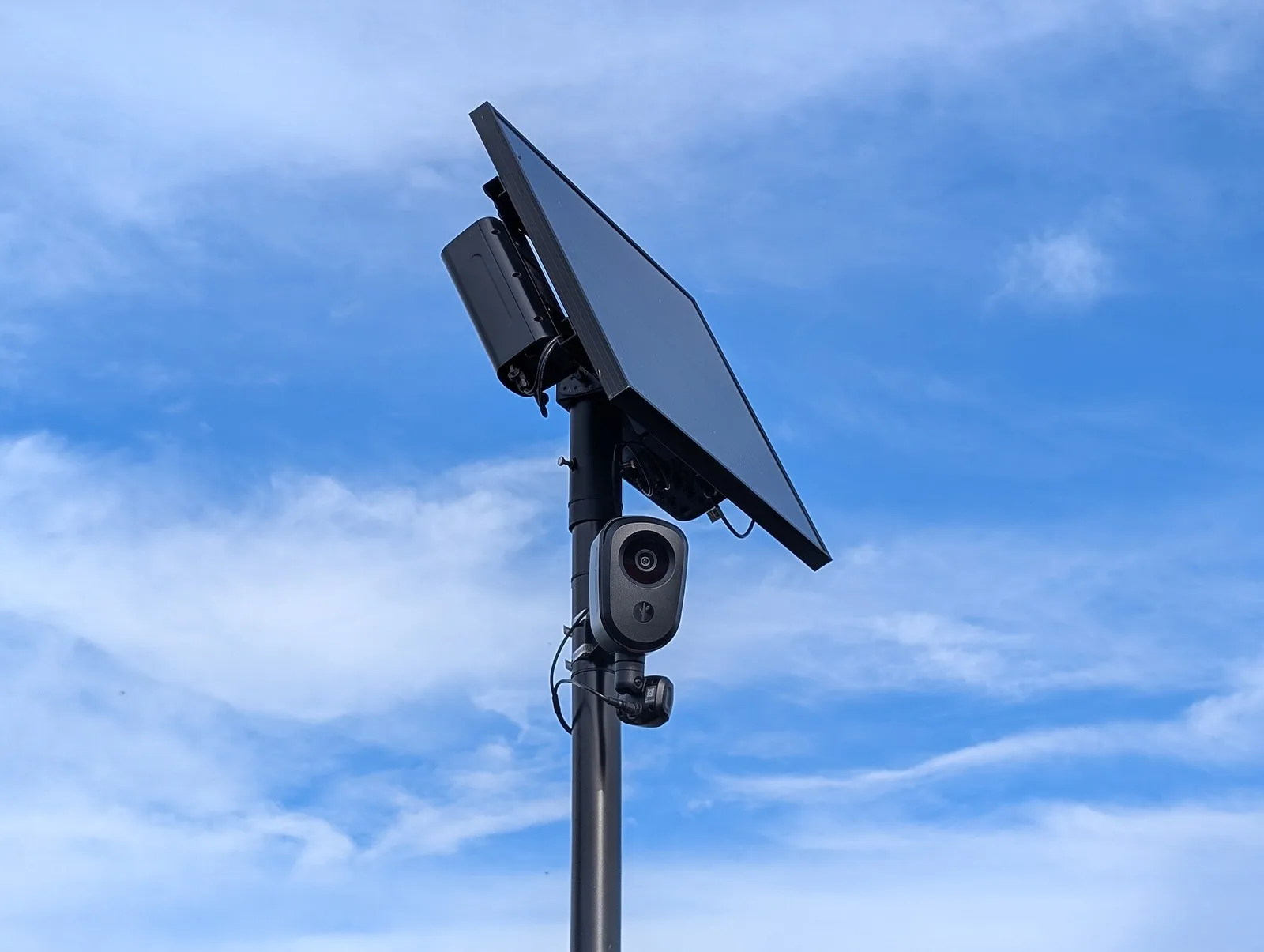
Huntsville police run more than 200 license plate reader cameras and keep most data up to a year. A new city page says who can search it and how use is audited.
The Huntsville Police Department operates more than 200 license plate reader cameras across the city. It keeps what they record for no more than a year, unless an investigation needs it.
The department set out those figures on a new page about the cameras. The city announced the page Thursday. It said the page was “developed in response to community questions and concerns.”
“We have a responsibility to help our community understand how this technology is being used,” Police Chief Kirk Giles said in the release.
How many cameras, and whose
The department has used plate readers in Huntsville since 2020, its license plate reader page says. It runs two systems:
| System | Cameras | Share of department staff with access |
|---|---|---|
| Flock Safety | 29 | 7% |
| Vigilant, powered by Motorola Solutions | More than 170 (the rest) | 19% |
The page does not give the exact total.
What the cameras record
When a car passes a camera, the system tries to capture an image and records:
- the license plate
- the date
- the time
- the camera’s location
The department says its systems cannot identify drivers or passengers, use facial recognition or record audio. They also cannot follow a car continuously in real time. A camera records a vehicle only when it passes that spot.
How the data is used
Investigators can enter a plate as a “hot plate” when a vehicle is linked to a case. The page gives examples: kidnappings, homicides, wanted fugitives, stolen vehicles, hit-and-runs and missing or endangered people. When a camera reads a plate on that list, authorized users get an alert.
The department says an alert is a lead, not grounds for a stop on its own. Officers must check it against the national crime database (NCIC), local records or other sources before they act. A detection shows only that a car was at a place at a time, the page says.
How long it is kept, and who sees it
- Retention: Alabama law allows plate reader data to be kept for up to five years. The department says it keeps its data no more than one year, except for an ongoing investigation. Flock Safety data is kept for 30 days.
- Sharing: state law allows the data to be shared with other law enforcement agencies for law enforcement purposes.
- Sales: the department says it does not sell the data or give it to private companies, organizations or individuals for non-law-enforcement use.
- Who can search: only staff whose jobs require it. They must complete training and an annual security certification, and pass a background check, a polygraph and a drug screening.
Who checks the searches
Every search is logged with the user, the date and time, the search details and the stated purpose. The department lists these checks:
- The North Alabama Multi-Agency Crime Center reviews hot plate activity Monday through Friday.
- The crime center’s leadership audits system activity every quarter.
- The department’s Internal Affairs Division and the police chief can audit at any time.
- The Commission on Accreditation for Law Enforcement Agencies audits once a year.
- The Alabama Law Enforcement Agency audits or visits every three years.
Alabama law requires departments that use plate readers to adopt and publish a written policy. Huntsville’s is its written directive on plate readers.
The Flock transparency portal
The department also points residents to the Flock Safety Transparency Portal. The city says it shows general information about the department’s Flock cameras over the previous 30 days. It covers Flock only. The city said Vigilant is working on a similar feature, which the department will evaluate when it is ready. The portal refused our automated request Sunday, so we could not check its current figures.
What it means for you
- A plate reader logs your plate, the time and the place each time you pass one of the department’s cameras. The department says it does not record faces, people in the car or sound.
- Most of that record is gone within a year, and Flock’s within 30 days, unless it becomes part of an investigation.
- You can read the full policy in the department’s written directive, and the city’s page answers common questions.
- Questions about the policy can go to the Huntsville Police Department through its community resources page.
Have your say